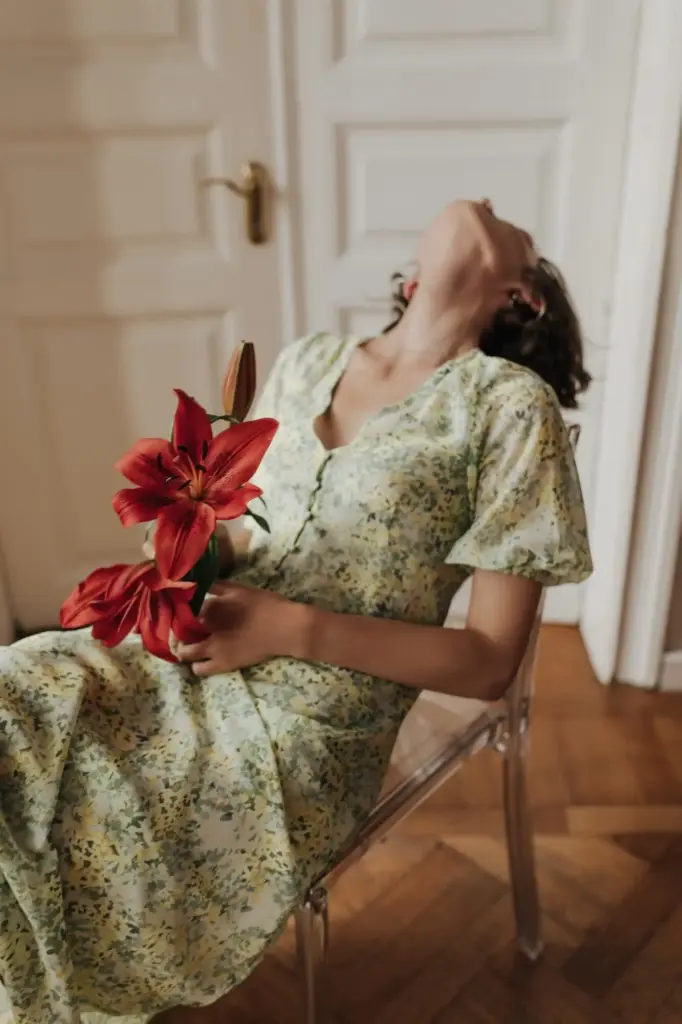
Quiet Luxury at Home: Curating with Calm Confidence
Today we explore curating art and accessories for an understated, sophisticated home, where every choice is intentional, quietly expressive, and deeply personal. Expect gentle guidance on editing, placement, materials, and light, alongside practical tips, small stories, and encouraging nudges to trust your eye, take your time, and build a collection that breathes with your daily life. Share your progress, questions, or favorite discoveries—we love thoughtful exchanges and subtle transformations.
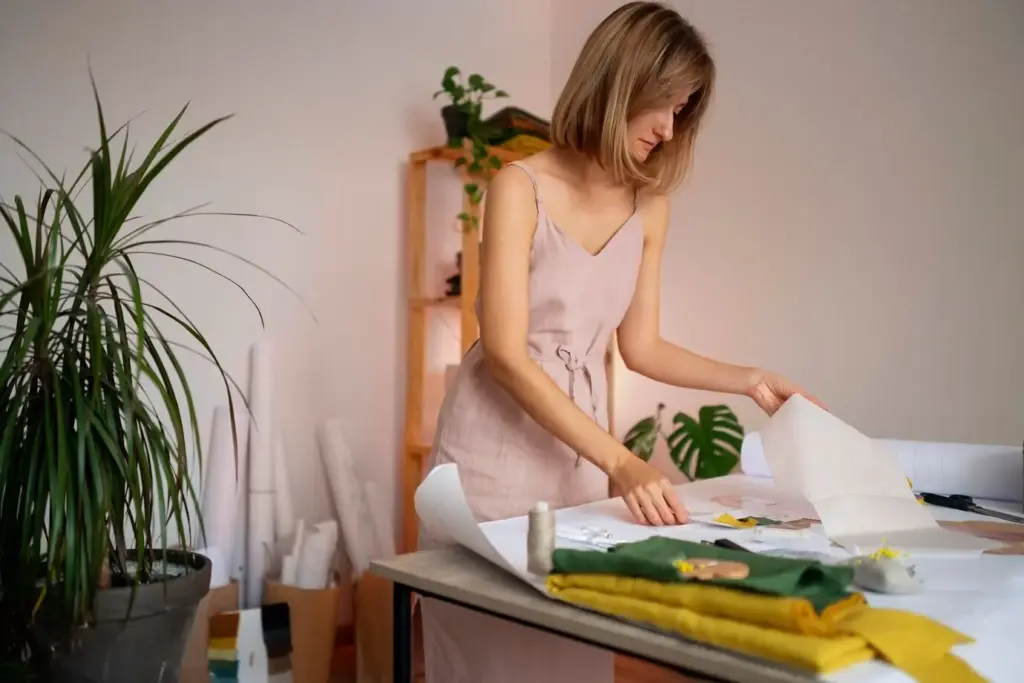

Principles of Quiet Elegance
Understated sophistication begins by subtracting, not adding. Reduce visual noise, honor negative space, and let materials carry the emotion. Smooth transitions between rooms, restrained color, and honest craft invite serenity that lingers. When in doubt, pause and observe how light, shadow, and silence move through your home. A refined interior is built slowly, with patience, curiosity, and a willingness to edit until the whole feels effortlessly coherent and deeply livable.
Color, Mood, and Negative Space
A restricted palette can feel liberating when mood leads the way. Consider smoky charcoals, softened whites, and toned neutrals that echo your architecture. Let negative space do real work, giving brushstrokes and textures room to breathe. If a piece hums beside a linen curtain or pale oak floor, you have found kinship. Prioritize harmony over matching, and allow slight tonal shifts to add depth rather than insist on strict uniformity.
Medium Matters: Paper, Canvas, Photography, Sculpture
Each medium brings a different hush. Works on paper feel intimate and invite close viewing, while photography can anchor a hallway with quiet clarity. Sculptural pieces introduce shadow play and tactile presence without needing loud color. Consider archival pigment prints, acid-free mounts, and museum-quality framing for longevity. The best mix balances surface, depth, and texture while respecting the room’s function and rhythms of daily life.
Provenance, Authenticity, and Confidence
Buy with confidence by seeking clear provenance: gallery invoices, certificates of authenticity, or direct artist correspondence. When purchasing vintage works, ask about restoration and materials to understand true condition. Trust your eye, but also lean on knowledgeable dealers and curators who welcome questions. Documentation not only protects value; it enriches the story you tell guests and future caretakers about why a piece mattered the moment you chose it.
Accessories That Serve and Soothe
Accessories should feel useful, tactile, and quietly beautiful. Think of them as punctuation between larger statements. A hand-thrown vessel, a woven throw, a subtle stone tray—each adds texture without clamoring for attention. Choose pieces with soft edges, honest finishes, and functional grace. A small edit of purposeful objects encourages slower living, easier cleaning, and effortless cohesion, letting the architecture and art lead while the accessories support with humility and warmth.
Ceramic Vessels and Honest Craft
A single ceramic vessel with a matte glaze can transform a console when paired with a restrained branch or left empty to celebrate form. Seek subtle irregularities that reveal the maker’s hand. Grouping two or three pieces of varying heights can create harmony without clutter. When the clay body, glaze tone, and surrounding materials align, the object reads as both sculpture and serviceable companion to daily rituals.
Textiles with Tactile Quiet
Choose textiles that invite touch yet avoid visual noise: washed linen, wool bouclé, tightly woven cotton, or a hand-loomed kilim in softened tones. Layer sparingly to keep silhouettes clean and elevations calm. Let texture provide the interest color might otherwise supply. A well-placed throw and two considered pillows often accomplish more than a couch crowded with patterns, keeping focus on proportion, comfort, and the soft architecture of the room.
Books, Bowls, and Small Objects with Purpose
Curate flat surfaces like thoughtful still lifes. A quiet stack of art books, a shallow stone bowl, and one small bronze object can animate a table without crowding it. Align edges, vary heights, and leave generous negative space. Rotate objects seasonally to keep the eye engaged. If everything can be dusted in a single pass, you have likely achieved the right balance of beauty, practicality, and long-term ease.
Placement, Flow, and Light
How pieces relate across a room matters as much as the pieces themselves. Keep sightlines clear, anchor furniture groupings with considered works, and use light to give art and objects quiet importance. Many prefer hanging at eye level—centers around 57 inches—while leaving generous margins from corners and moldings. Consider dimmable lighting with high color rendering (CRI 90+) to honor true hues. Subtlety thrives when illumination flatters materials rather than overwhelms them.
Material Harmony and Color Restraint
Let materials carry character: pale oak, honed stone, patinated brass, handwoven textiles, and soft plaster walls. Together they create atmosphere without shouting. Keep colors close in value, allowing texture to do the expressive work. Introduce contrast sparingly—perhaps a dark bronze bowl or charcoaled frame to anchor gentle tones. The result feels lived-in yet intentional, grounded yet airy, and ready to welcome seasonal branches, fresh light, and evolving stories over years.
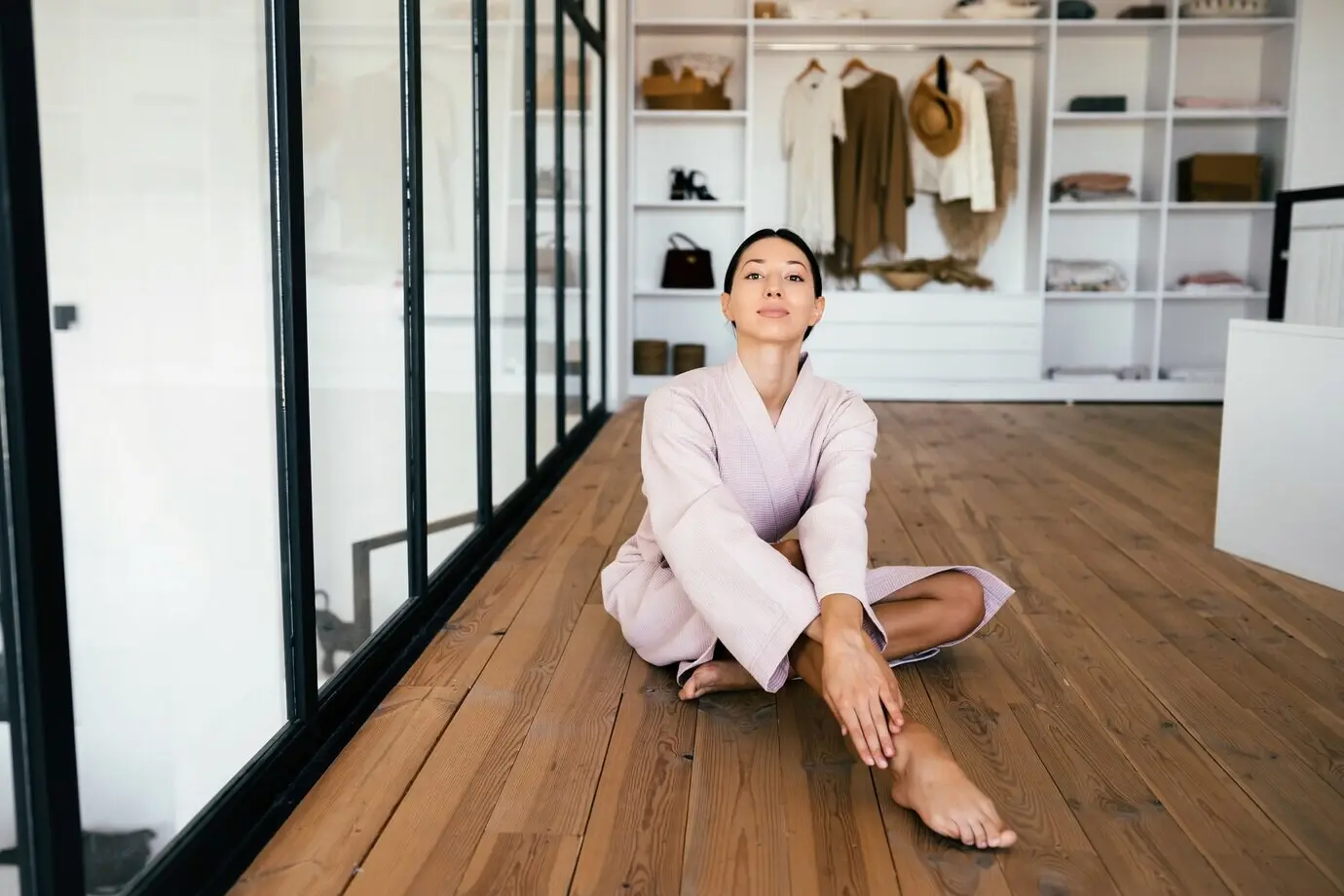
Evolving the Collection Over Time
Rotation, Storage, and Seasonal Refresh
Regularly rotate art to rediscover pieces and protect them from prolonged light exposure. Store flat works in archival sleeves and sculptures in padded boxes, carefully labeled. Refresh surfaces with simple swaps—one vessel, a different book stack, a new branch. The room will feel renewed without buying more. Through rotation, you cultivate patience, deepen connection, and let the collection breathe as your days and seasons naturally shift.
Care, Conservation, and Everyday Practicalities
Dust frames and objects gently, avoid direct sunlight for delicate works, and maintain stable humidity where possible. Use museum glass for UV protection and minimal glare. Keep a small kit: cotton gloves, microfiber cloths, and felt pads. Thoughtful care prevents damage while preserving quiet beauty. When maintenance becomes a ritual, you notice details sooner, celebrate subtle changes, and safeguard the calm foundation that supports your daily routines with grace.
Community: Galleries, Artists, and Thoughtful Investment
Build relationships with galleries and artists who welcome conversation and transparency. Ask about process, materials, and edition sizes; attend small openings to train your eye without pressure. Buy within your means, prioritize resonance, and value clarity over hype. Consider commissioning modest works that reflect your space. Share your experiences in the comments, post photos of evolving corners, and join our newsletter for interviews that reveal pathways to intentional, enduring collecting.

All Rights Reserved.